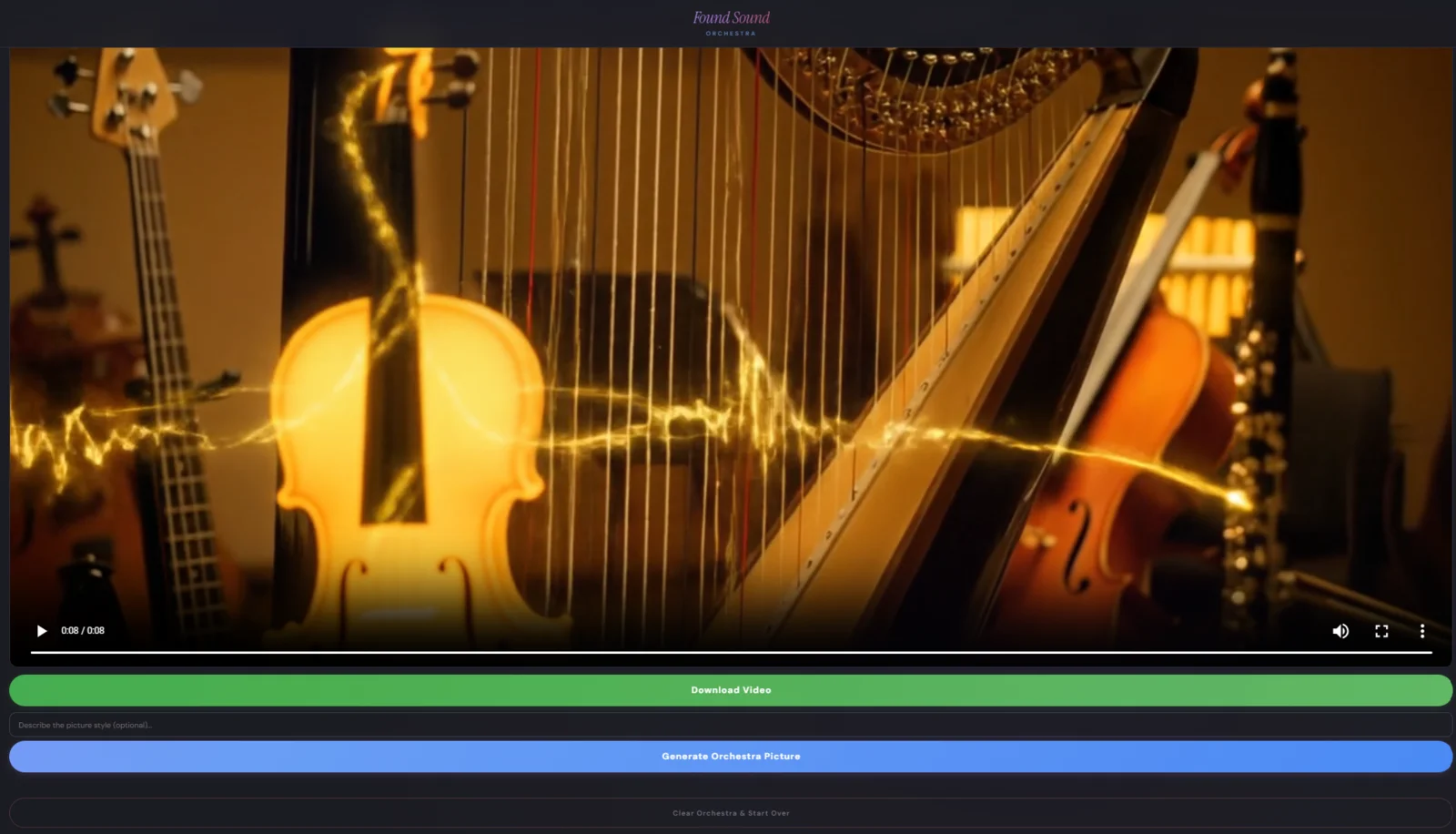
Found Sound Orchestra
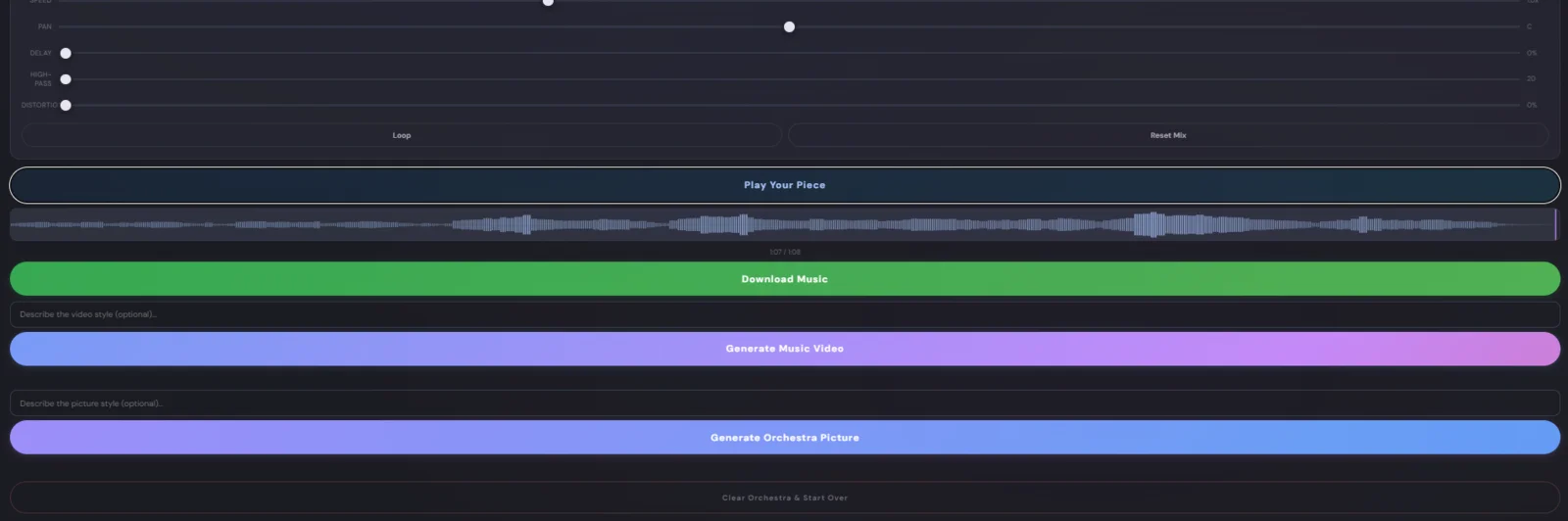
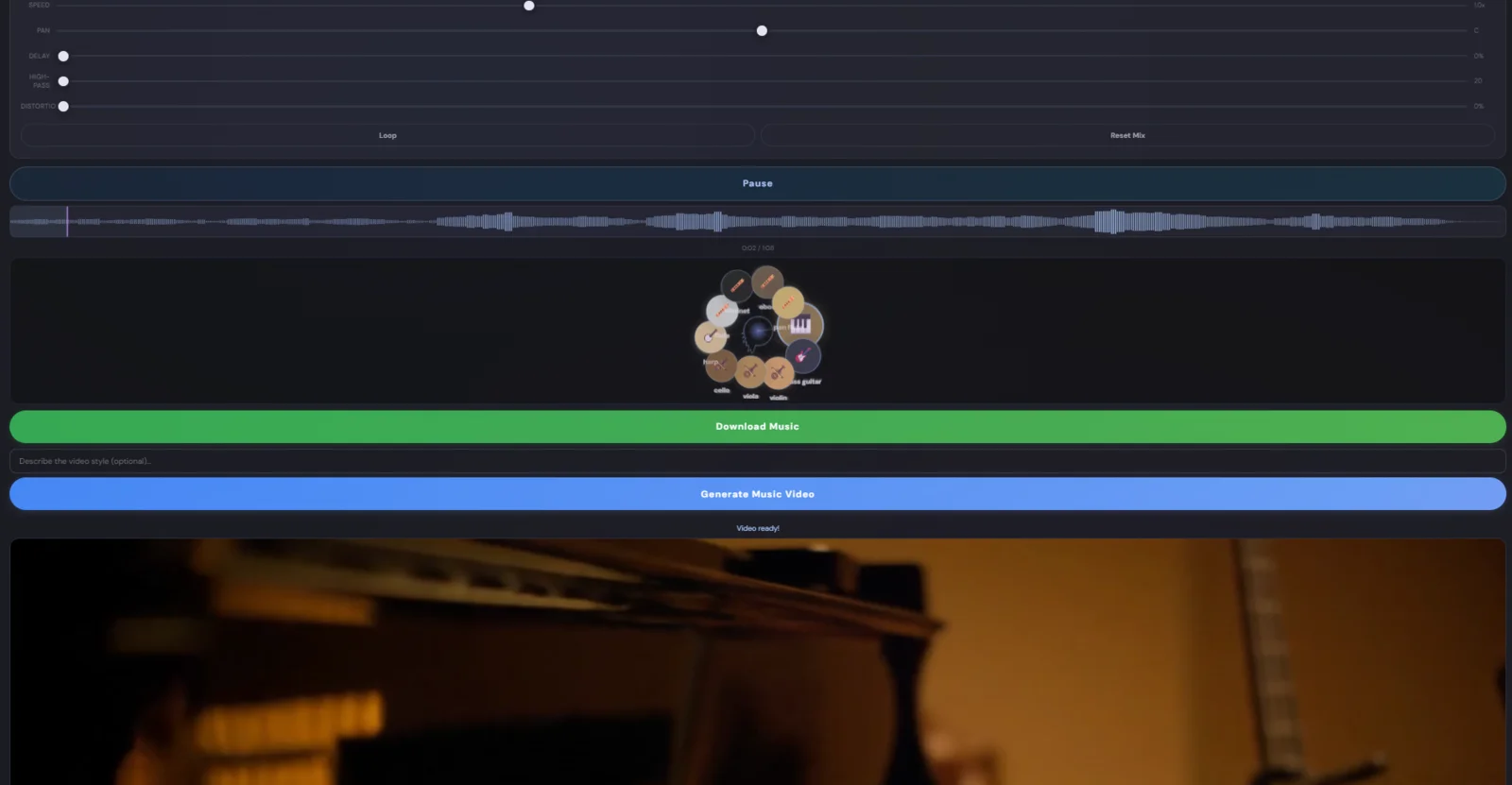
A hackathon project: a generative-music web app that maps camera-captured objects to instruments with Gemini Flash, composes full pieces with Lyria Pro, and generates music videos with Veo 3.0 — with a live FFT stem-mixer.
Open-source software, research code, and experiments. Filter by tag.
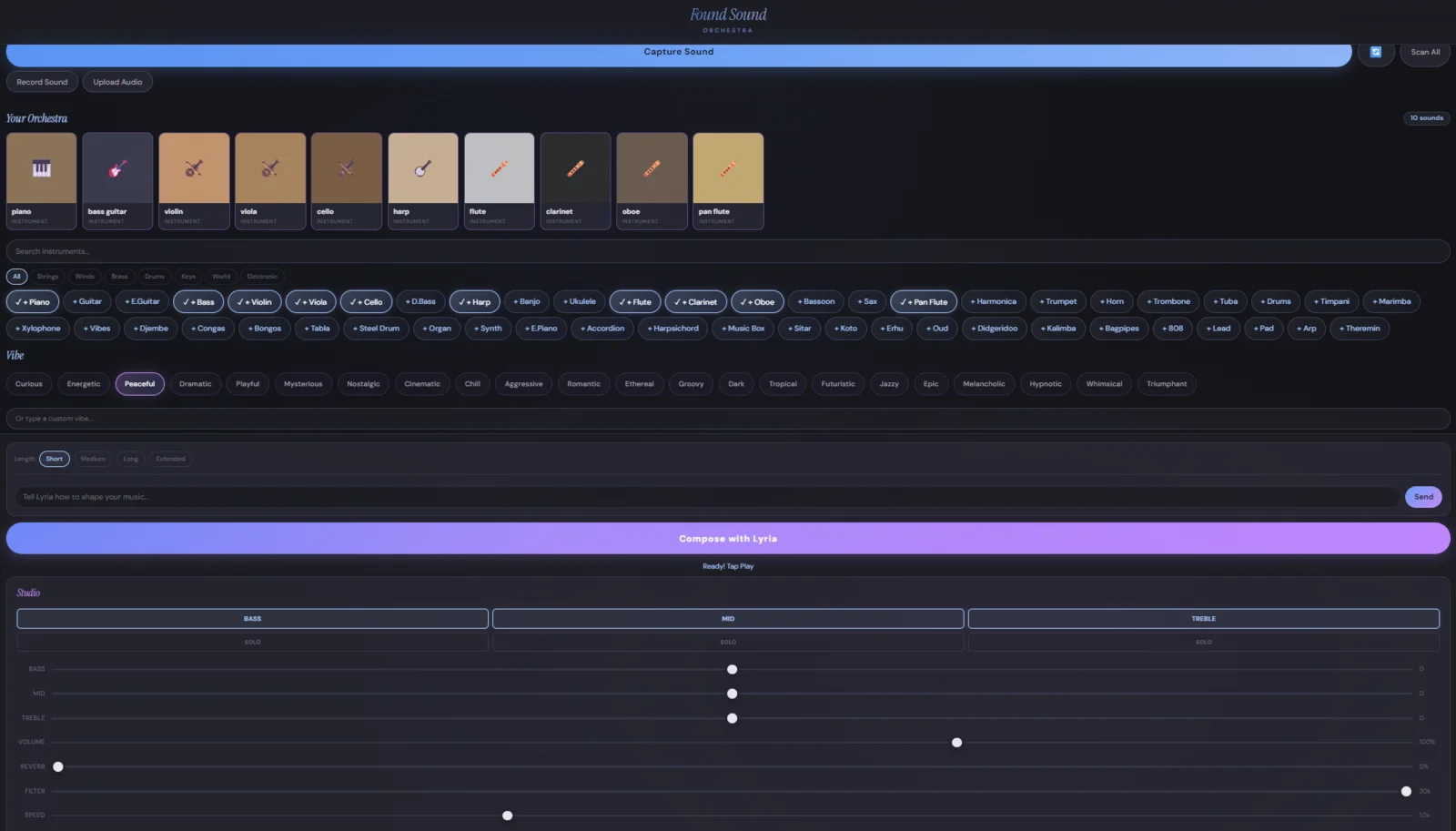
A hackathon project: a generative-music web app that maps camera-captured objects to instruments with Gemini Flash, composes full pieces with Lyria Pro, and generates music videos with Veo 3.0 — with a live FFT stem-mixer.
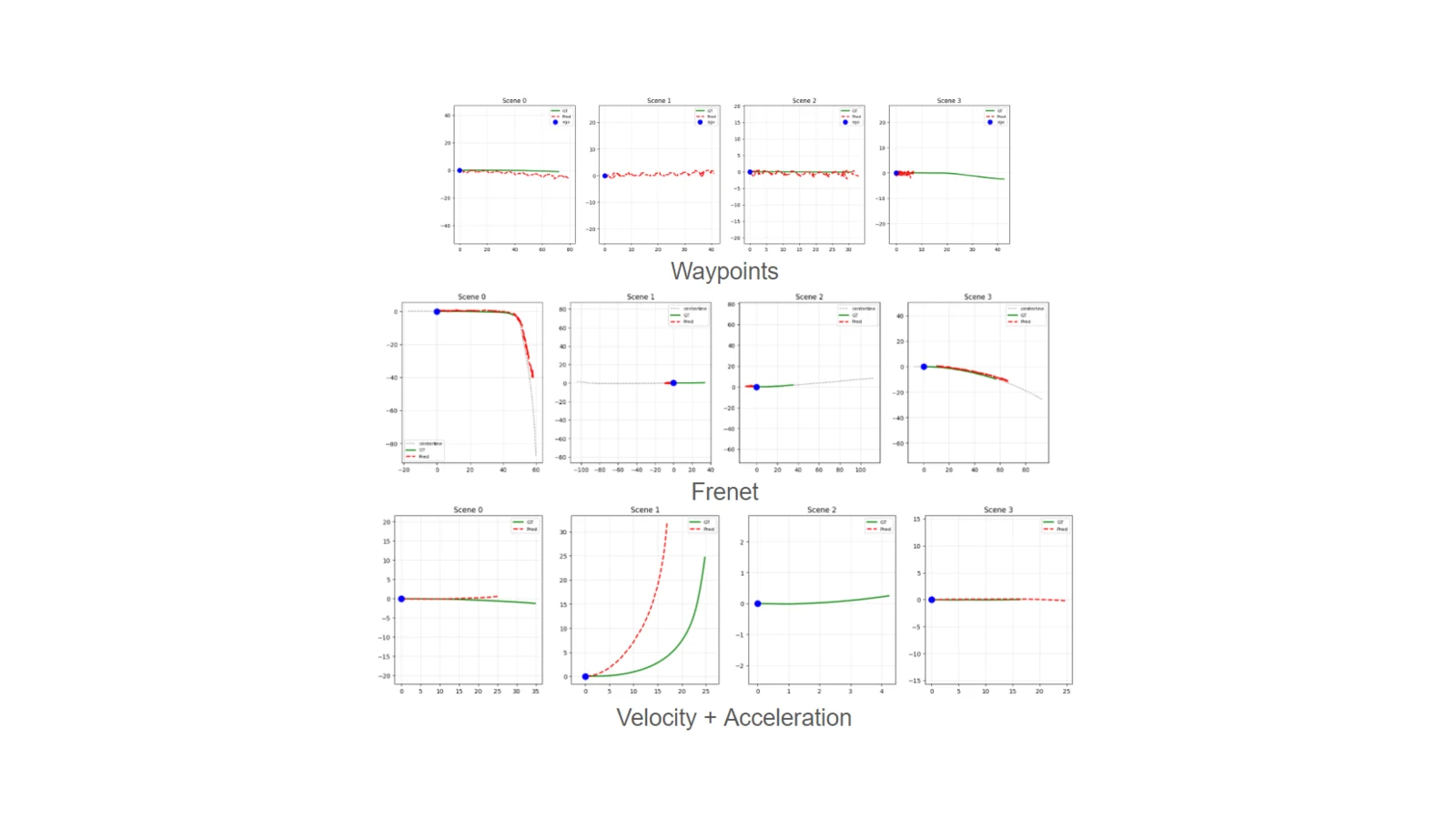
Ablated four trajectory representations (Cartesian waypoints, Frenet, velocity, acceleration) inside a vendored NeurIPS-2025 flow-matching planner (Tan et al.), training each variant on 1.5k-scenario subsets drawn from an 80k-sample nuPlan-mini cache. On open-loop ADE (average displacement error), Cartesian waypoints performed best — roughly 5x lower error than the velocity- and acceleration-based representations (4.19 m vs ~22 / 20 m).
A supervisor multi-agent system for autonomous research, reasoning and code execution, built on LangGraph. A supervisor routes each turn to a specialist (web research or sandboxed code) and a finalizer produces an exact-match answer. Near-term target: GAIA Level 1.
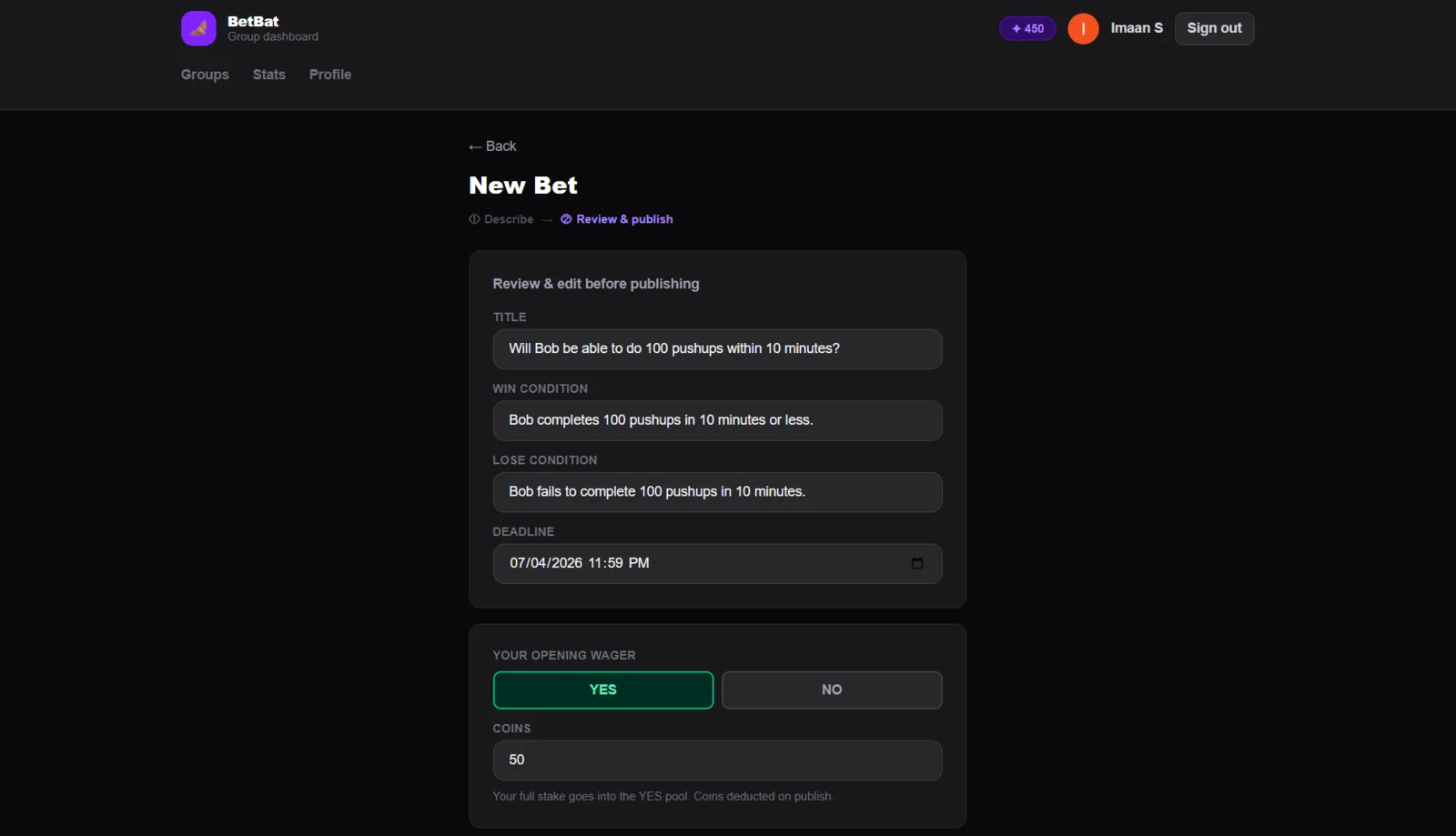
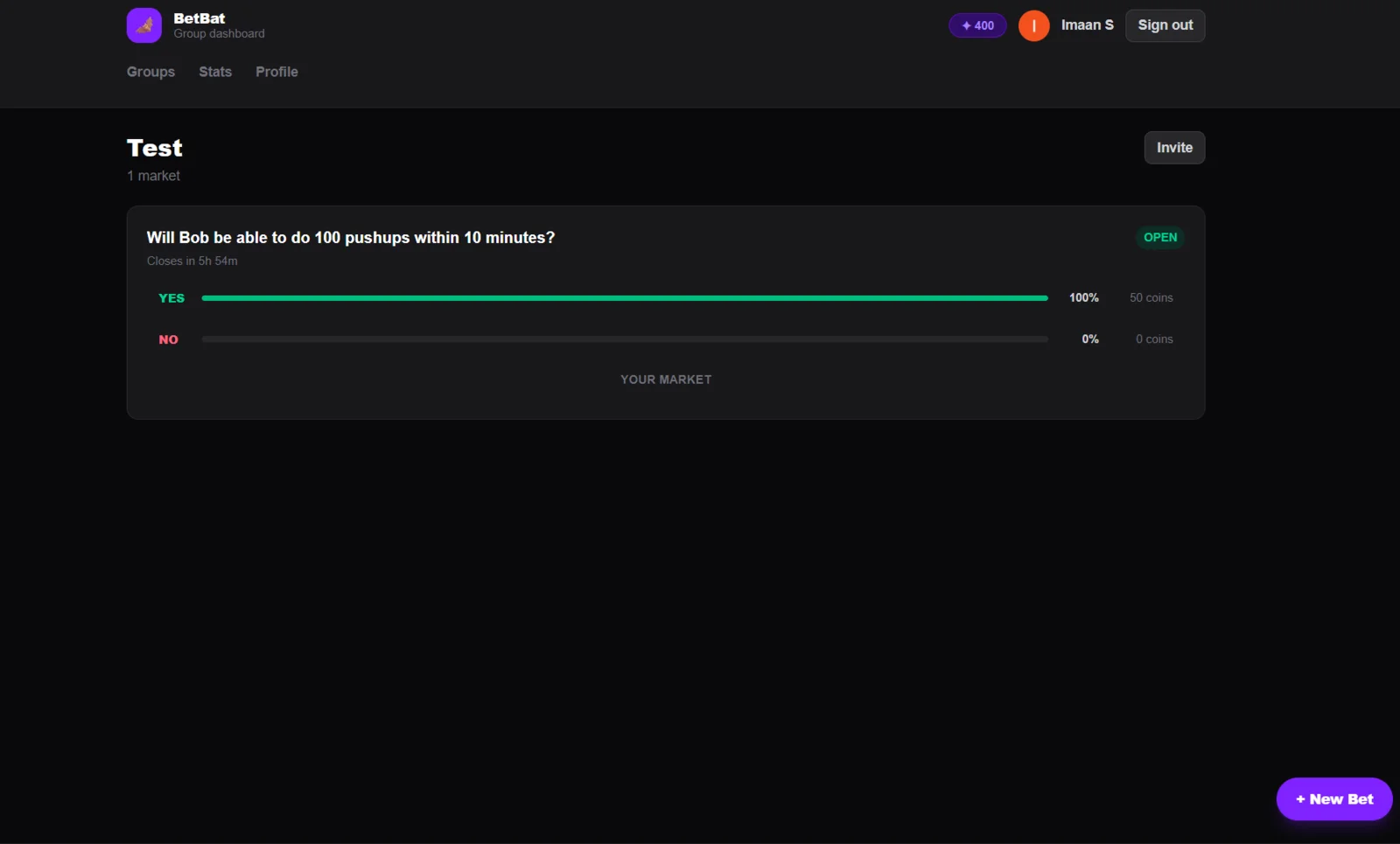
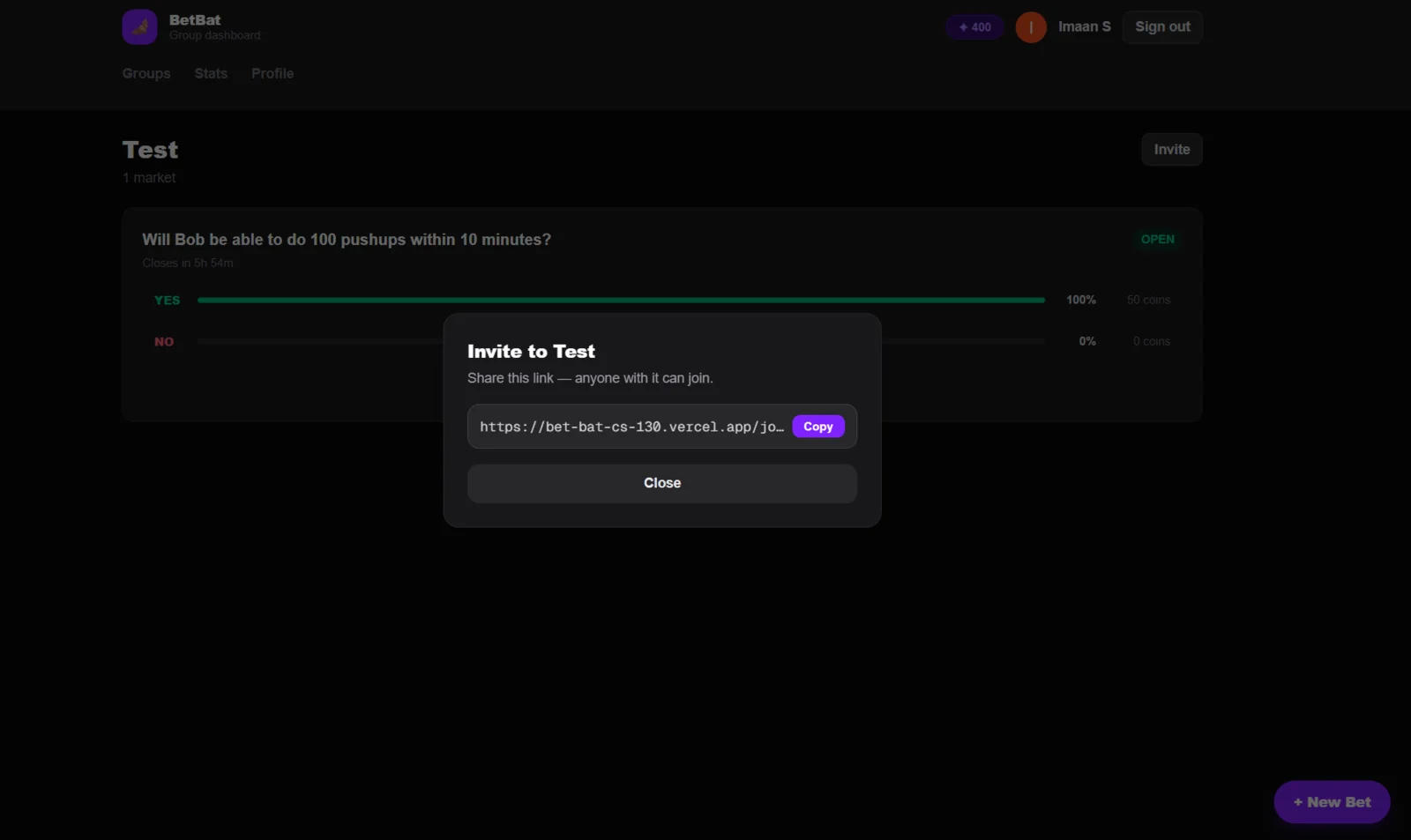
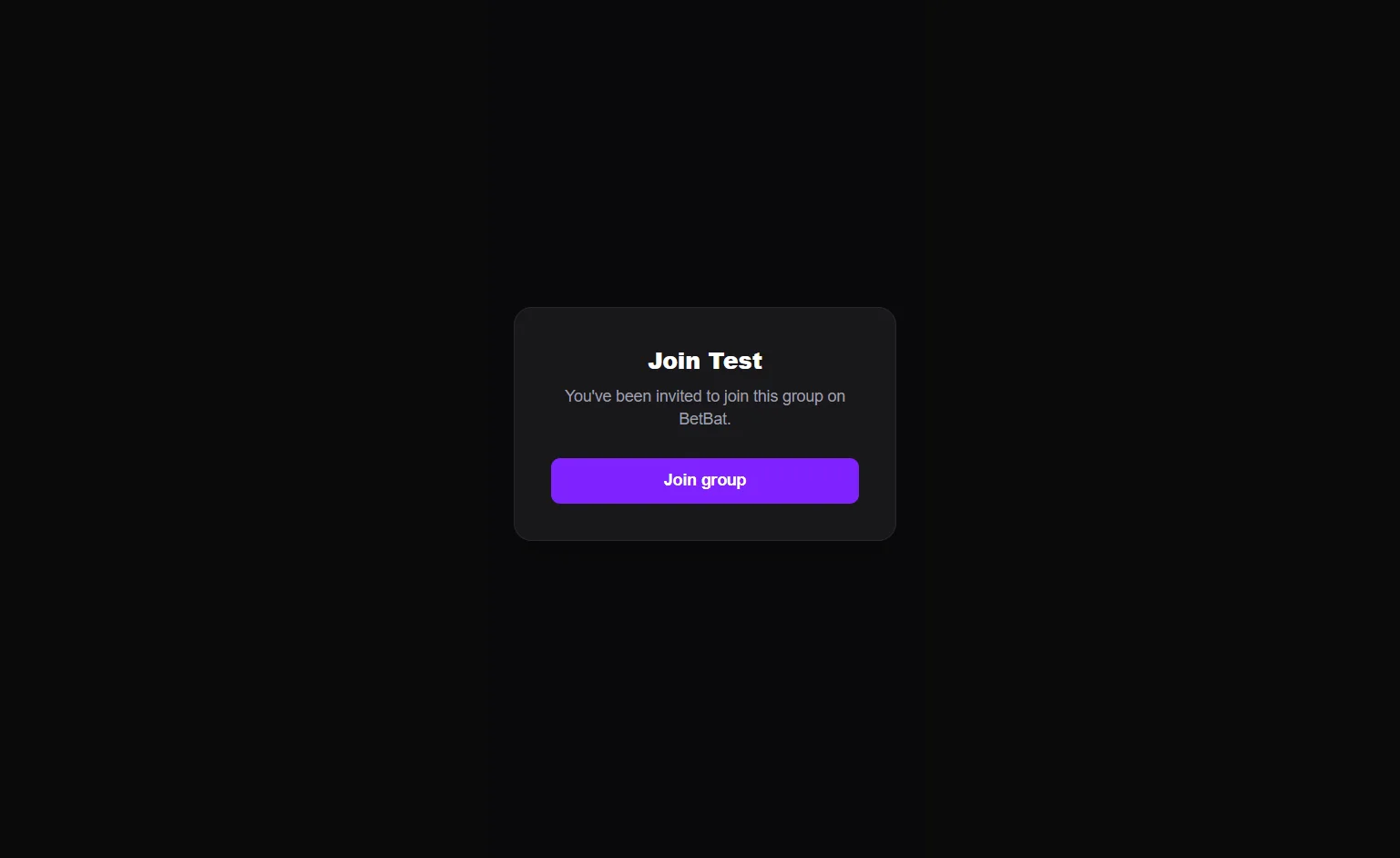
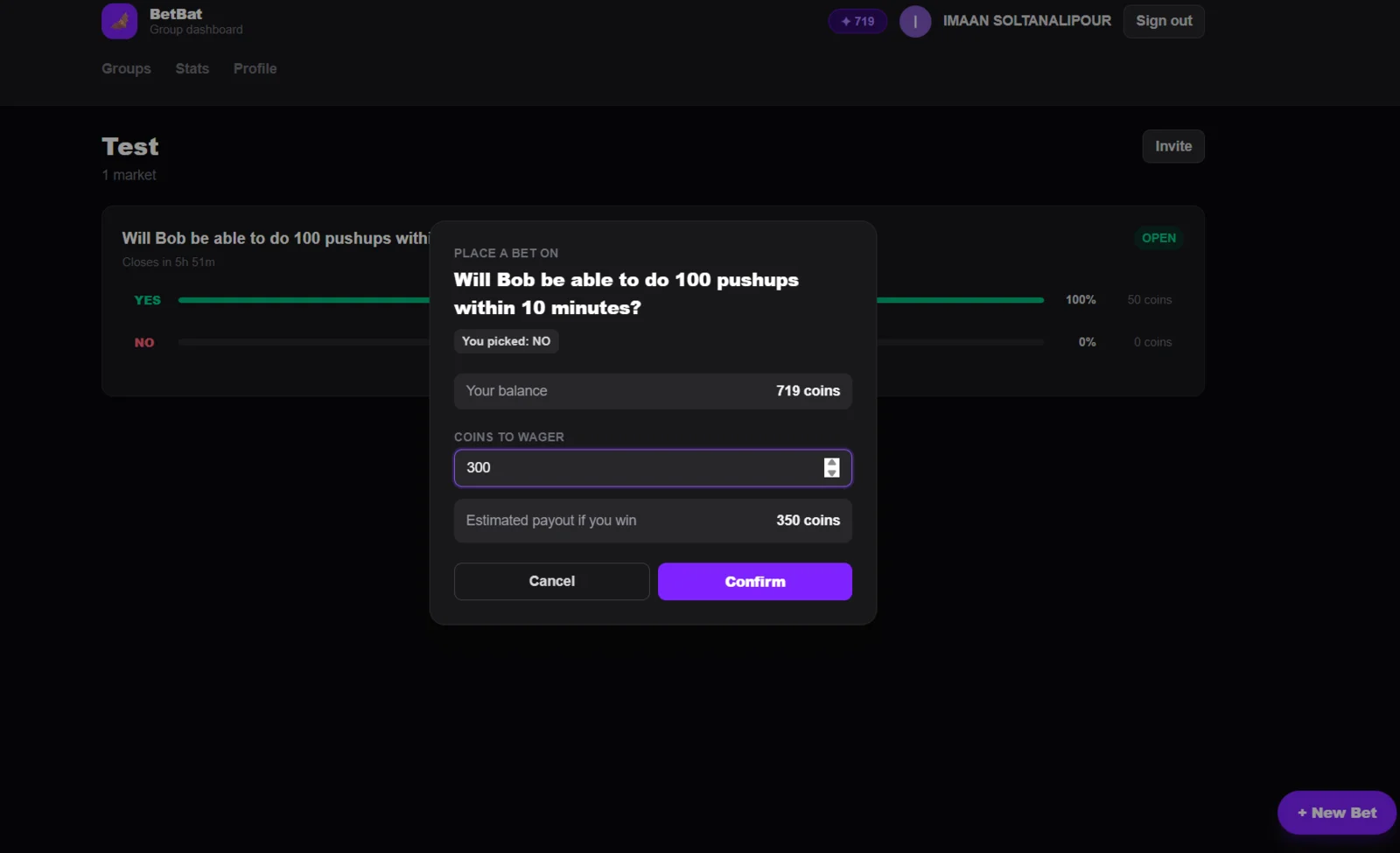
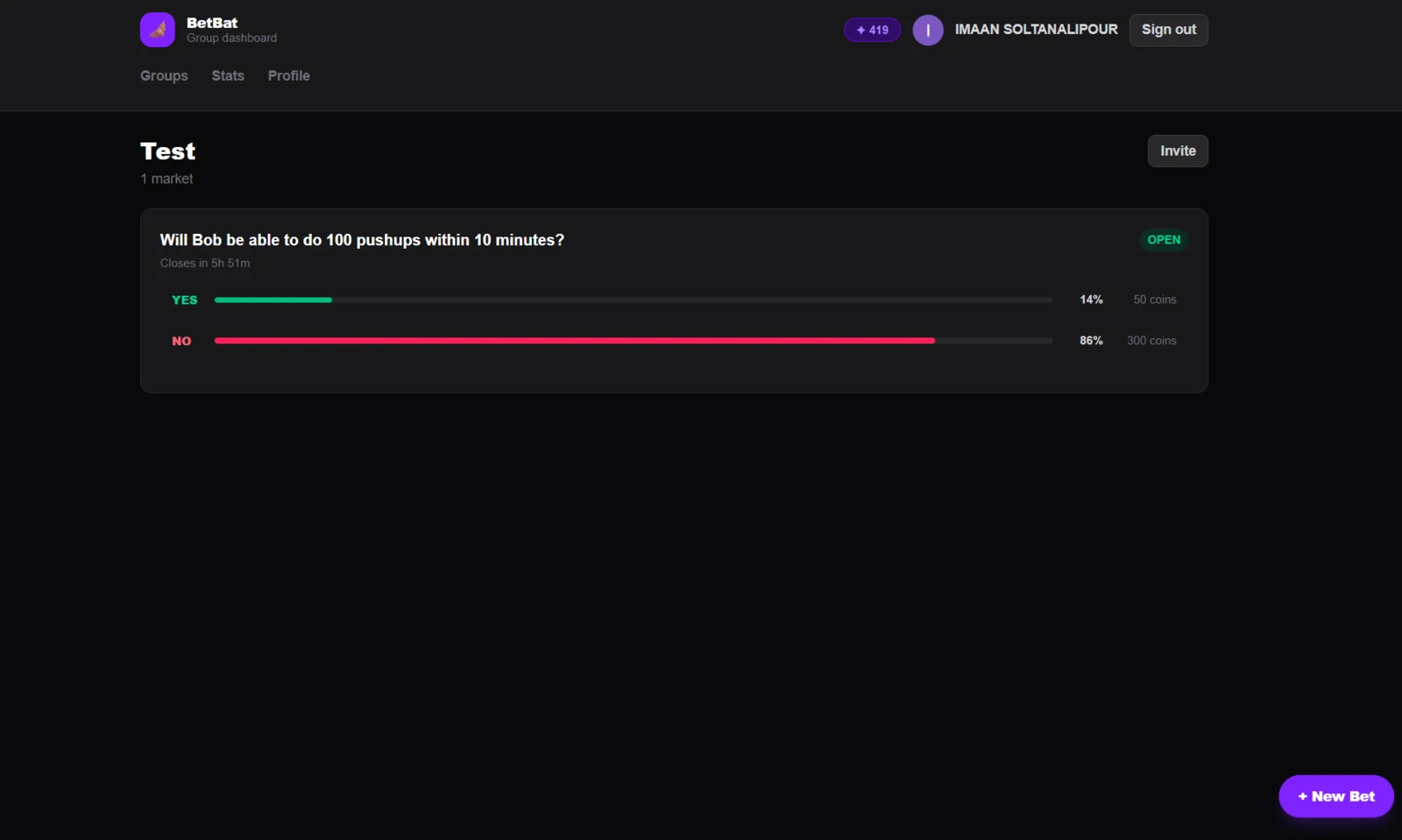
A real-time prediction-market app (Next.js 16 / React 19 / TypeScript / Firestore) built over a 6-week Agile project, with transaction-safe coin economics, an LLM (OpenAI gpt-4o-mini) that structures free-form bets into verifiable yes/no markets, and a market-resolution state machine.
An academic deep-learning project spanning generative modeling and reinforcement learning: a conditional DDPM with a flow-matching head, GAN/VAE families, a from-scratch MiniGPT transformer, and DQN/DDPG agents.
An offline-first, event-sourced knowledge system: it captures text (a global hotkey on Windows), organizes it with a local LLM (Ollama) into a semantically linked Obsidian Markdown vault, and auto-generates dependency-ordered plans via a Kahn topological sort. The platform-agnostic core runs fully offline.

A meta-harness that wraps an AI coding agent and enforces eight deterministic, fail-closed engineering gates (build, hygiene, layout, format, lint, typecheck, tests, security) via Claude Code hooks. v0 governs Python projects, with a per-language/per-harness seam designed to extend to other stacks and agents.
An auxiliary progress head on the π₀.₅ vision-language-action policy for the 2026 Stanford BEHAVIOR Challenge, tested in a pre-registered A/B on rented GPUs. The head learns without degrading the action loss; the A/B found no significant difference between arms.
A self-driving Raspberry Pi 5 vehicle with ultrasonic sensors and a camera, using Rapidly-exploring Random Trees (RRT) and Visual SLAM for goal-directed navigation on flat terrain.
A set of embedded builds: an Arduino + Python IR remote control, a sonar object-detection system, and an FPGA-based “Bop It” game written in Verilog.
A Retrieval-Augmented Generation system over both textual and image data, using LLMs and vector embeddings to extract insights and generate detailed answers.
A physics-accurate drone simulation for autonomous flight, control, and environment interaction, trained with supervised and reinforcement learning in Unity ML-Agents.
Some cards are auto-imported from GitHub at build time. Curated entries in src/content/projects/ take priority.
Slide the blocks to work the big sand block down to the glowing exit. Fewest moves wins.